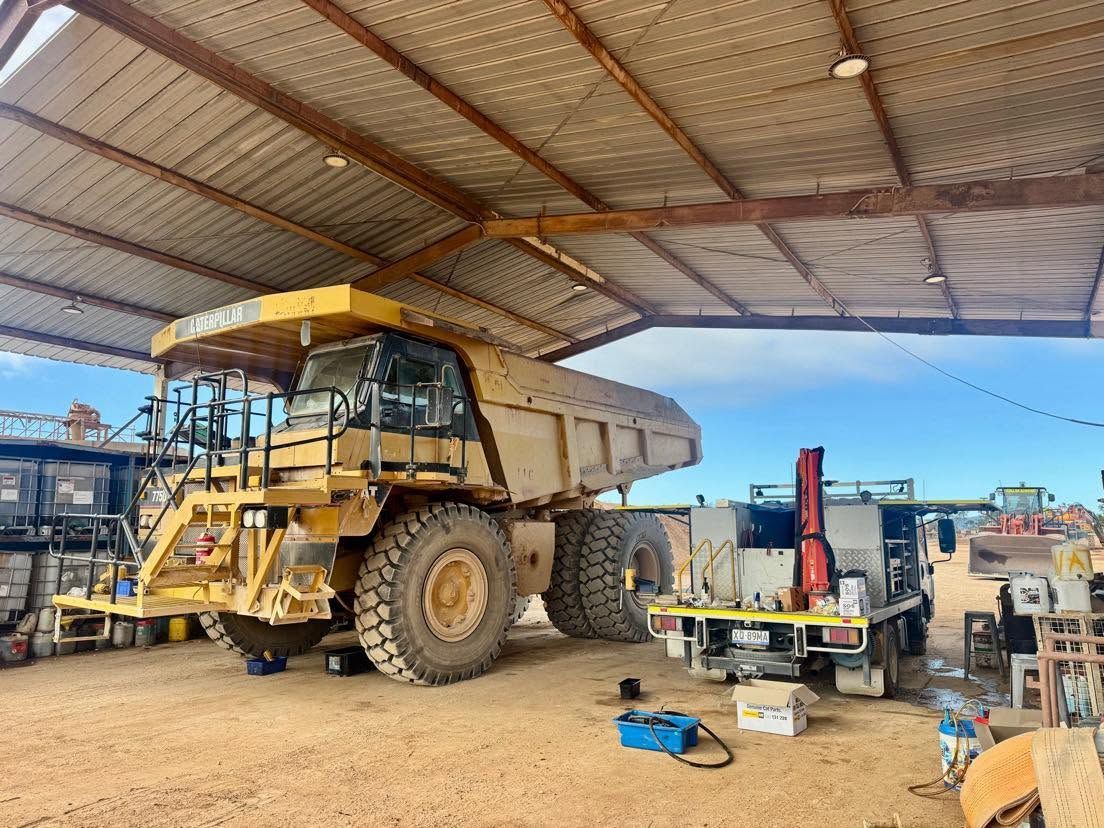
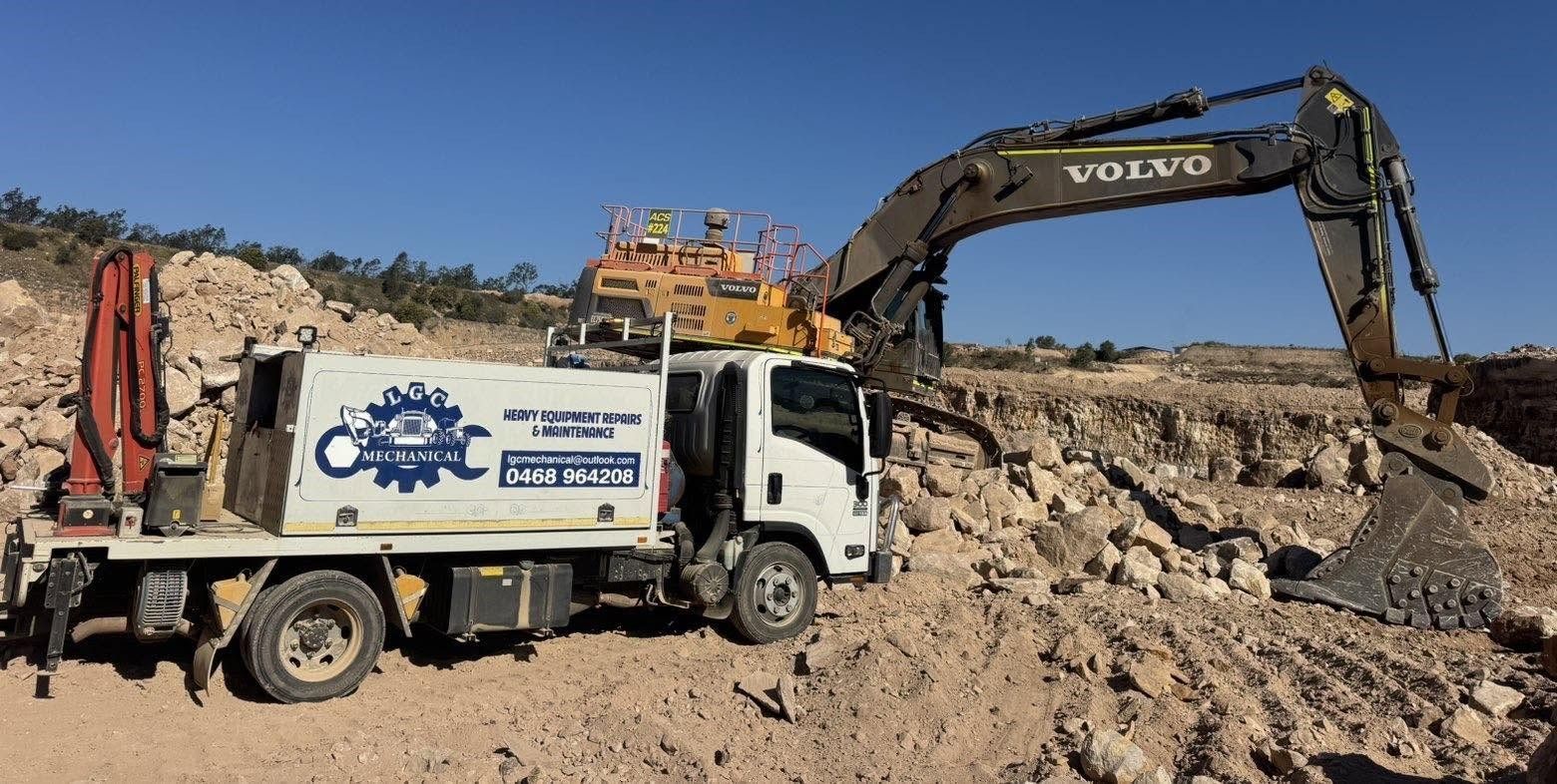
When agricultural machinery needs more than a basic repair
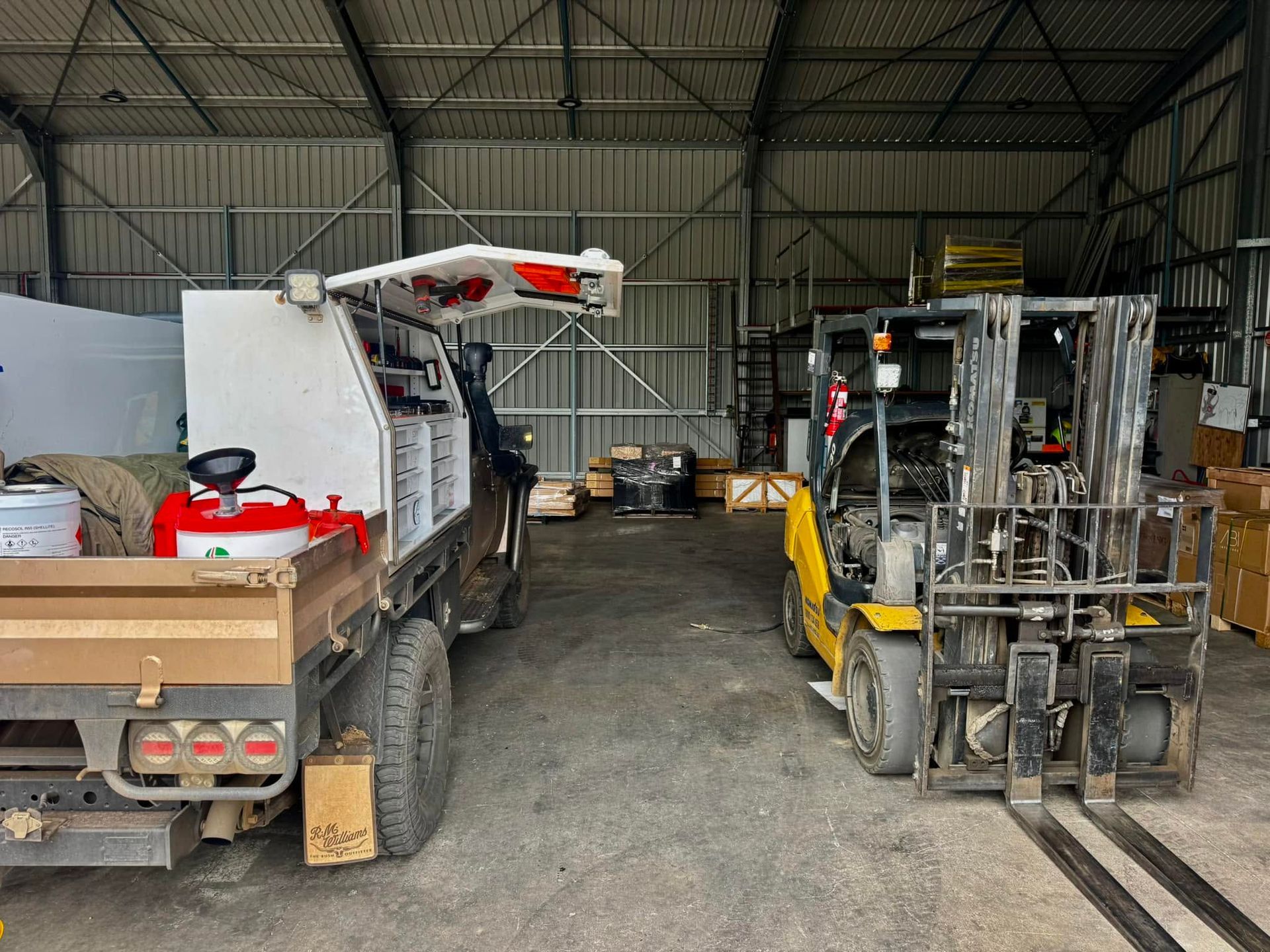
Agricultural machinery does not always fail in a simple way. A tractor that loses drive, a gearbox that becomes noisy, a component that keeps leaking, or an engine that starts behaving differently may need more than a quick adjustment. The challenge is knowing when a basic repair is enough and when deeper mechanical support is needed.
For rural and regional operators, that decision can affect downtime, transport, job timing, and repair planning. This guide explains signs that agricultural equipment may need more detailed diesel repair support, and when to discuss agricultural machinery repairs and component rebuilds with a mobile heavy diesel mechanic.
Repeated faults usually need a closer look
If the same fault keeps returning, it may be a sign that the underlying cause has not been addressed. Replacing a hose, topping up fluid, resetting a warning, or making a quick adjustment may help temporarily, but repeated symptoms should be investigated properly.
For tractors and agricultural machinery, recurring faults can come from wear, contamination, poor adjustment, component fatigue, driveline issues, or a problem elsewhere in the system. The visible issue may only be the result of a deeper mechanical problem.
When making an enquiry, explain how many times the issue has occurred, what repairs have already been attempted, and whether the fault comes back under the same working conditions. This information helps the mechanic decide whether the job is likely to be a simple repair or a more involved component issue.
Gearbox and driveline symptoms should not be ignored
Gearbox and driveline issues can become expensive if they are pushed too long. Noises, vibration, difficulty selecting gears, slipping, loss of drive, oil contamination, or metal in oil are all signs that the machine may need proper attention.
Not every symptom means a full rebuild is needed, but these signs should be taken seriously. A mobile diesel mechanic may need to inspect the machine, discuss service history, check the symptoms, and determine whether further component work is required.
If the equipment is still operating, it can be tempting to keep using it until it stops. That can make damage worse. A planned repair conversation is often better than waiting until the machine fails during a critical job.
Engine behaviour can point to deeper issues
Changes in engine behaviour can be early warning signs. Hard starting, excessive smoke, overheating, coolant loss, oil leaks, low power, unusual noises, or changes in oil condition can all point to problems that need investigation.
Some engine issues can be managed with servicing or minor repairs. Others may involve worn components, sealing issues, cooling system problems, fuel system concerns, or internal damage. The right next step depends on the machine, symptoms, operating conditions, and service history.
When the issue involves heavy equipment or machinery used across different jobs, it may be worth reviewing the broader repair context. LGC Mechanical also supports heavy equipment repairs for operators who need mobile support across machinery, trucks, and field equipment.
Component rebuild support needs good information upfront
Component work is easier to assess when the mechanic has clear information before attending. Send the machine type, component involved, symptoms, recent repairs, service history, and any photos or videos that show the issue.
If a gearbox, engine, driveline component, or other major part has already been removed or inspected, include that too. The more context available upfront, the easier it is to plan whether the work suits mobile attendance or needs a different repair pathway.
Regional jobs also need travel and access planning. For work outside Toowoomba or the immediate Darling Downs area, include location, access details, and timing. This helps confirm whether a mobile job is practical before committing to travel.
Mobile support can help decide the next step
Some agricultural repair jobs can be completed in the field. Others may need parts, extra tooling, lifting support, or workshop conditions. A mobile assessment can still be useful because it helps identify the likely direction before decisions are made.
For mixed operators, one machine fault may sit alongside other repair needs. A farm may have tractors, trucks, loaders, and other heavy equipment that all need attention at different times. A mobile diesel mechanic with experience across varied machinery can help operators manage these issues more practically.
If you are unsure whether the job is a basic repair, service task, or component issue, start with a clear enquiry. You can contact LGC Mechanical with the machine details, fault symptoms, location, and any supporting information so the job can be assessed.
Contact our team to discuss your agricultural servicing and repair needs
Agricultural machinery faults are not always straightforward. Repeated symptoms, gearbox issues, driveline concerns, engine changes, and component problems often need more than a quick fix. Acting early can help operators make better repair decisions before the fault becomes harder to manage.
For regional machinery operators, clear communication is the best starting point. Explore LGC Mechanical’s agricultural machinery repair support or get in touch to discuss whether mobile attendance is suitable for your equipment.