How regular servicing helps keep earthmoving equipment working
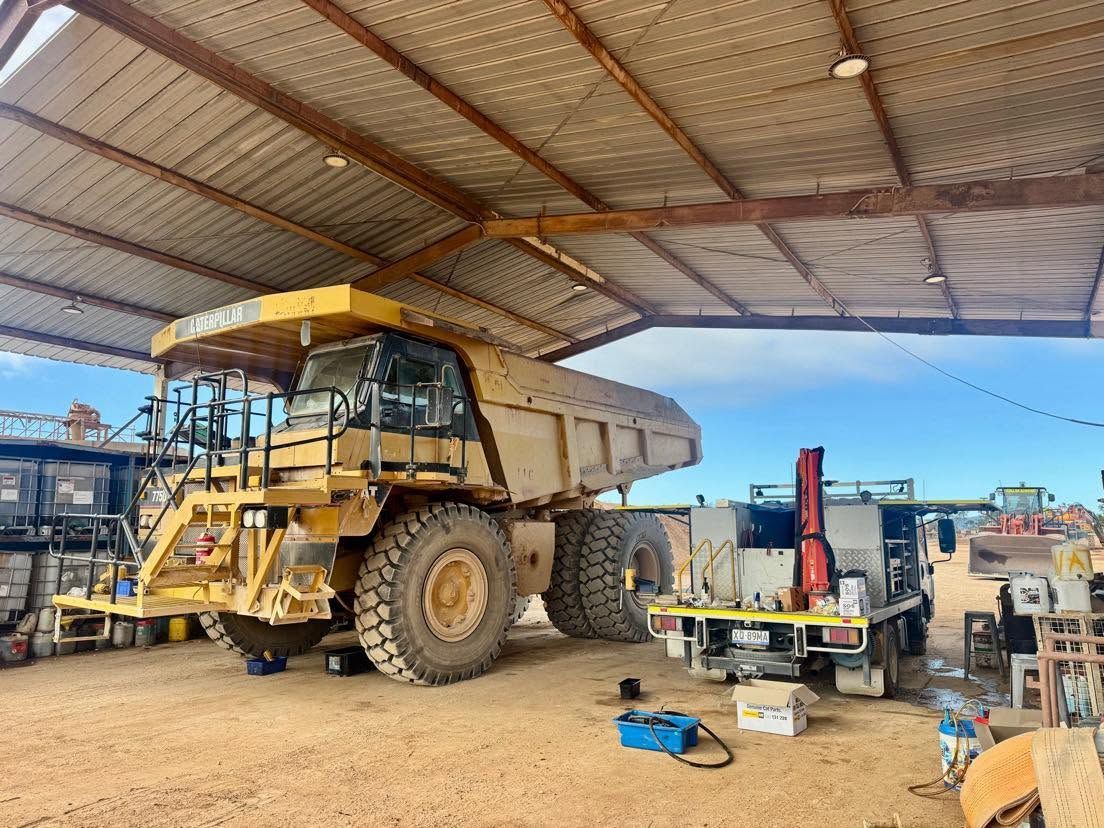
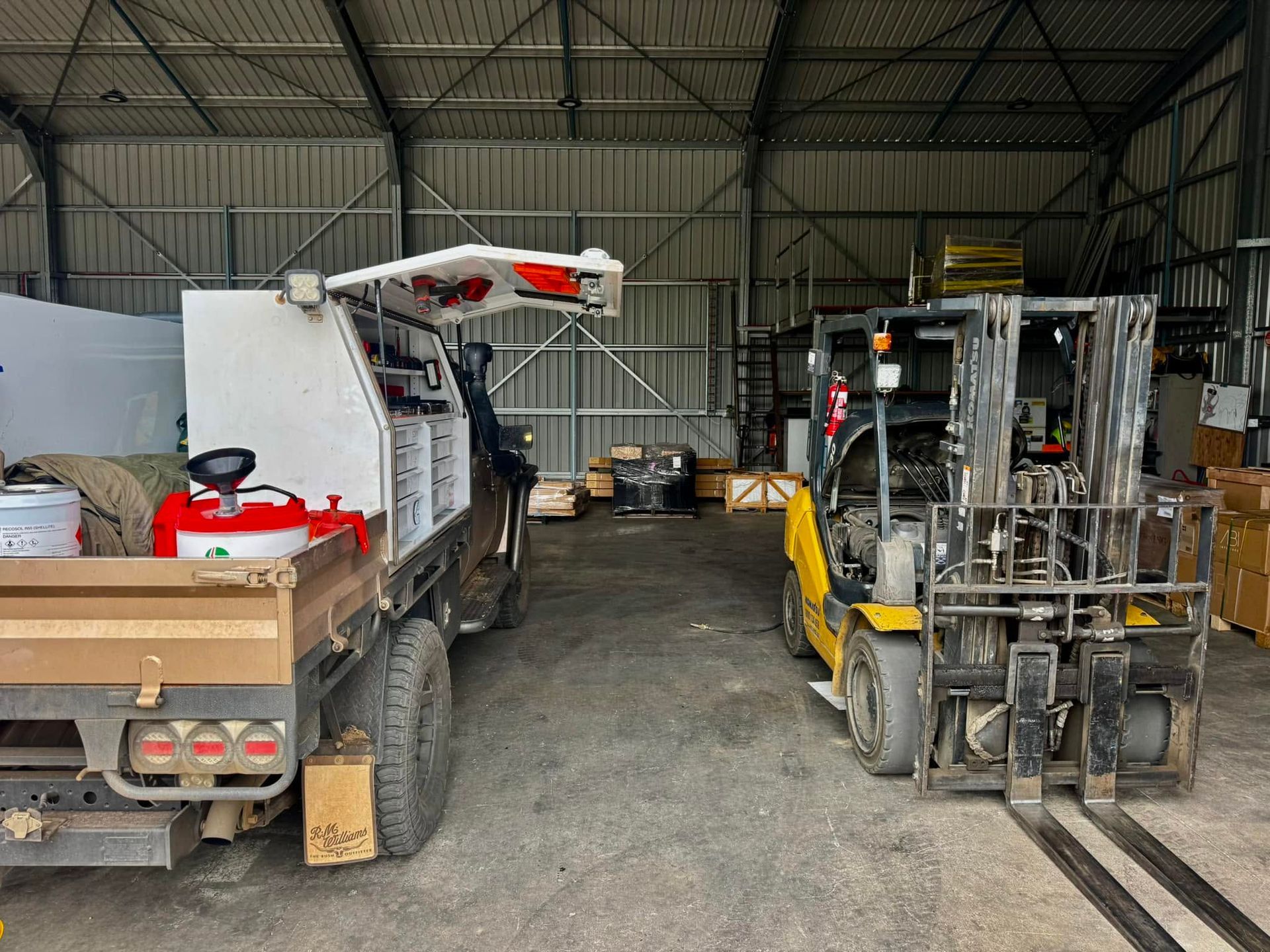
Earthmoving equipment is built for tough work, but it still needs the right maintenance rhythm. Dozers, Bobcats, loaders, and other site machines deal with dust, vibration, heavy loads, long operating hours, and changing ground conditions. Small issues can quickly become expensive problems when servicing is left too long.
For civil contractors, owner-operators, and regional businesses, regular servicing is not just about keeping a machine tidy. It helps reduce avoidable downtime, gives operators a clearer picture of machine condition, and can make repair planning easier. This article explains how practical earthmoving equipment servicing supports machinery used across Toowoomba, the Darling Downs, and regional Queensland.
Servicing helps identify issues before they stop the machine
Many machinery problems do not begin as major failures. They start as small changes, such as a new noise, minor leak, hard start, loss of power, rising temperature, or unusual vibration. A regular service creates an opportunity to notice those signs before the machine is parked up with a bigger issue.
On earthmoving gear, checks may involve fluids, filters, hoses, belts, driveline components, cooling systems, visible leaks, wear points, and general machine condition. The exact service requirements depend on the equipment, hours, work type, and what the machine has been doing.
This is especially important for machines working on rural properties, civil sites, and regional jobs where access to workshop support may be limited. A planned service can often be easier to manage than a breakdown in the middle of a job.
Different machines create different maintenance pressures
A dozer, Bobcat, truck, and tractor do not all wear in the same way. Earthmoving equipment often works in dusty, uneven, and high-load conditions, which can affect filters, cooling systems, undercarriage components, driveline parts, and hydraulic systems.
Compact machines can also be easy to overlook because they move between smaller jobs quickly. Bobcats and similar equipment may clock up demanding hours on property work, landscaping preparation, civil support, and general site tasks. Regular inspections help operators understand what needs attention before the machine is pushed too far.
If a machine already has symptoms, a mobile mechanic may need to approach it as a repair job rather than routine maintenance. Operators can explore heavy equipment repairs if the machine is already leaking, overheating, losing power, or showing signs of component failure.
Service records make future repairs easier
Good records help build a clear history of the machine. Even simple notes about service dates, machine hours, parts changed, oils used, and faults found can make future repairs easier to assess.
When a diesel mechanic knows what has already been done, they can avoid wasting time retracing recent work. Service records can also highlight patterns, such as repeated overheating, recurring leaks, hard starting, or components wearing faster than expected.
For businesses with more than one machine, records also support better planning. Fleet owners and contractors can prioritise equipment that works the hardest, plan servicing around project timing, and avoid leaving maintenance until several machines need attention at once.
Mobile servicing can reduce transport downtime
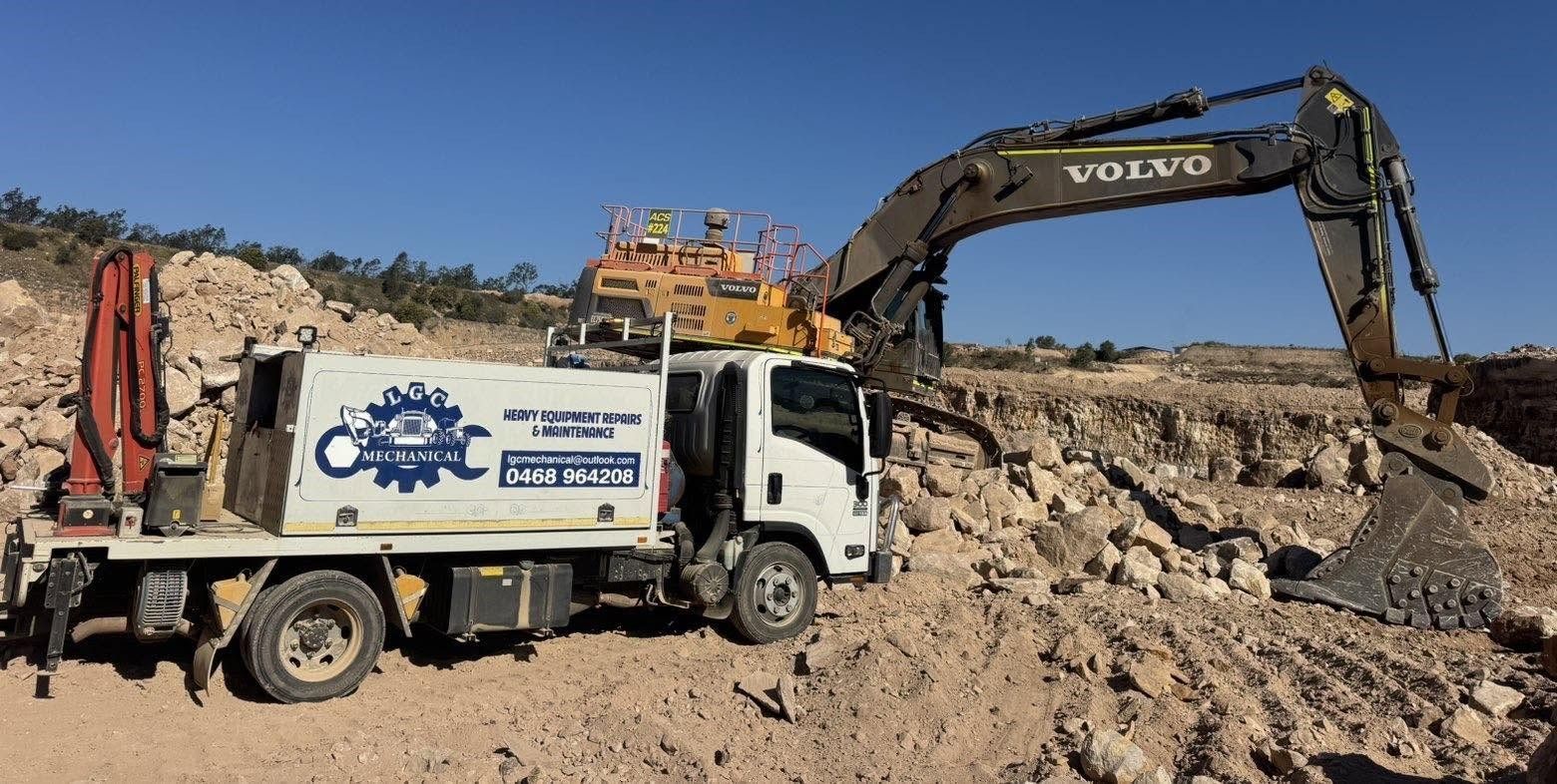
Moving earthmoving equipment to a workshop is not always practical. Transport can take time, add cost, and interrupt the job schedule. For suitable work, a mobile diesel mechanic can attend the site and carry out servicing or repair support where the machine is already working.
This does not mean every repair can or should be completed in the field. Some jobs need parts, workshop conditions, lifting support, or deeper diagnostics. However, many inspections, service tasks, and practical repairs can be assessed on-site before deciding the next step.
Mobile servicing can be particularly useful for regional operators. If the equipment is based outside Toowoomba or the immediate Darling Downs area, providing clear details about the machine, job location, access, and service requirement helps the mechanic decide whether the work is suitable.
Service timing should match machine use
Service intervals should be guided by machine requirements, hours, work conditions, and how critical the equipment is to the business. A machine working every day in dusty or heavy conditions may need a different approach from equipment used occasionally on lighter tasks.
Operators should pay attention to signs that servicing may be due sooner, including harder starting, rising engine temperature, oil or coolant leaks, reduced performance, unusual smoke, filter issues, or new noises. These signs do not always mean a major fault, but they should not be ignored.
If a machine is due for service or showing symptoms, it is worth sending the details early. You can contact LGC Mechanical with the equipment type, hours, location, and issue so the job can be reviewed before a mobile service is arranged.
Contact LGC Mechanical to arrange servicing for your earthmoving equipment today
Regular servicing gives operators a better chance of finding small issues before they become major problems. It also supports better planning, clearer repair history, and fewer avoidable interruptions across civil, earthmoving, and regional machinery work.
For dozers, Bobcats, and other heavy equipment, a practical service plan can help keep work moving. Learn more about LGC Mechanical’s earthmoving equipment servicing or get in touch to discuss mobile support across Toowoomba and regional Queensland by arrangement.